Zandvlei Estuary Nature Reserve


Overview


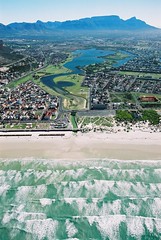
Zandvlei is a recreational area at Lakeside, where windsurfers entertain picnickers with their antics. It is one of the most accessible reserves, as it is next to Lakeside Station and close to Main Road. The Zandvlei Environmental Education Centre on the northern side is reached from Steenberg Station or Coniston Avenue, off Military Road in Marina da Gama.
Zandvlei is the only functioning estuary on the False Bay coast, and supports a variety of indigenous fish. Juvenile marine fish use the estuary as a nursery, where they can grow in safety. It is important that the estuary mouth is open for at least a part of the year, to enable young fish to enter the estuary and older fish to return to the ocean.
It is opened artificially by the City of Cape Town’s Catchment Management Department when a high spring tide is expected. Southern mullet (Liza richardsonii), leervis (also known as garrick; Lichia amia), the critically endangered white steenbras (also known as pignose grunter; Lithognathus lithognathus), white stumpnose (Rhabdosargus globiceps) and elf (Pomatomus saltatrix) are among the 25 types of fish found in the estuary. Strict recreational fishing regulations apply, including minimum size catch and bag limits, to protect young fish and allow them to breed. Many sport anglers now prefer to ‘catch, tag and release’ fish, so that they can enjoy fishing without threatening fish populations. Local anglers are encouraged to remove alien invasive fish species, such as common carp (Cyprinus carpio) and barbel (also known as sharptooth catfish; Clarias gariepnus).
Wetlands like Zandvlei are important habitats for birds, both those that live here year round and those that migrate from Europe, Asia and other parts of Africa. There are about 150 species here, including great crested grebe (Podiceps cristatus), African fish eagles (Haliaeetus vocifer), Caspian terns (Sterna caspia), ducks, coots, herons, ibises, pelicans, kingfishers, swallows and weavers. Eighteen different reptiles have been recorded in the reserve, including the marsh terrapin (Pelomedusa subrufa), brown water snake (Lycodonomorphus rufulus) and mole snake (Pseudaspis cana), as well as 210 different plant species. Residents of neighbouring Lakeside and Marina Da Gama enjoy the sound of birds and the croaking of frogs. They sometimes see Cape clawless otter (Aonyx capensis), porcupines (Hystrix africaeaustralis) and small grey and water mongoose (Galerella pulverulenta and Atilax paludinosus), whilst their gardens are often visited by Cape dune mole rats (Bathyergus suillus).
Farming, urban development, invasive alien plants and dredging of the vlei have destroyed much of the natural vegetation around Zandvlei. The City of Cape Town,Working for Wetlands, and volunteers from the area are slowly restoring the natural Cape Flats dune strandveld vegetation. They collect indigenous plants before bulldozers create new developments, and transplant them at Zandvlei. The extensive reed beds are an important part of the river, as they filter out silt and remove nutrients so that the water does not become thick and green with algae. The invasive water hyacinth (Eichhornia crassipes) is a problem, as it clogs large areas of the vlei.
ADDRESS: Coniston Avenue, Marina Da Gama, Steenberg (GPS -34.080047 S, 18.470582 E)
OPENING HOURS: 07:30-16:00 (weekdays), closed on weekends
SIZE: 200 hectares
ENTRANCE FEE: None
PUBLIC TRANSPORT: Taxi, train or bus (within walking distance of Steenberg and Lakeside Station as well as Main Road)
ACTIVITIES AND FACILITIES: Jetty, bird hides, picnic sites, boating, walking, windsurfing
ENVIRONMENTAL EDUCATION: Zandvlei Environmental Education Centre is within walking distance of Steenberg Station, and offers field trips for primary learners (Book in advance for live reptile displays)
FRIENDS GROUP: The Friends of the Zandvlei Trust help with conservation, education and awareness projects. www.zandvleitrust.org.za


Location:
Comments
Connections
-
- Cape Town
-
- Cape Town
-
- Cape Town
- Cape Town
- Cape Town
-
- Cape Town
- United States
- UrbanaUnited States
- Germany
- CaliColombia
- La Roche sur ForonFrance
- OspreyUnited States
- Fort AtkinsonUnited States
- United Kingdom
- shanghaiChina
- BronxUnited States
- Japan
- SarasotaUnited States
- ClevelandUnited States
- VeniceUnited States
- NewfieldUnited States
- SwanseaUnited Kingdom
- United States
- Colombia
- IthacaUnited States
- EurekaUnited States
- shanghaiChina
- VeniceUnited States
- shanghaiChina
- Clackmannan
- Fayetteville
Multimedia
 added by
Impacts
No impacts have been left for this site yet - be the first!